
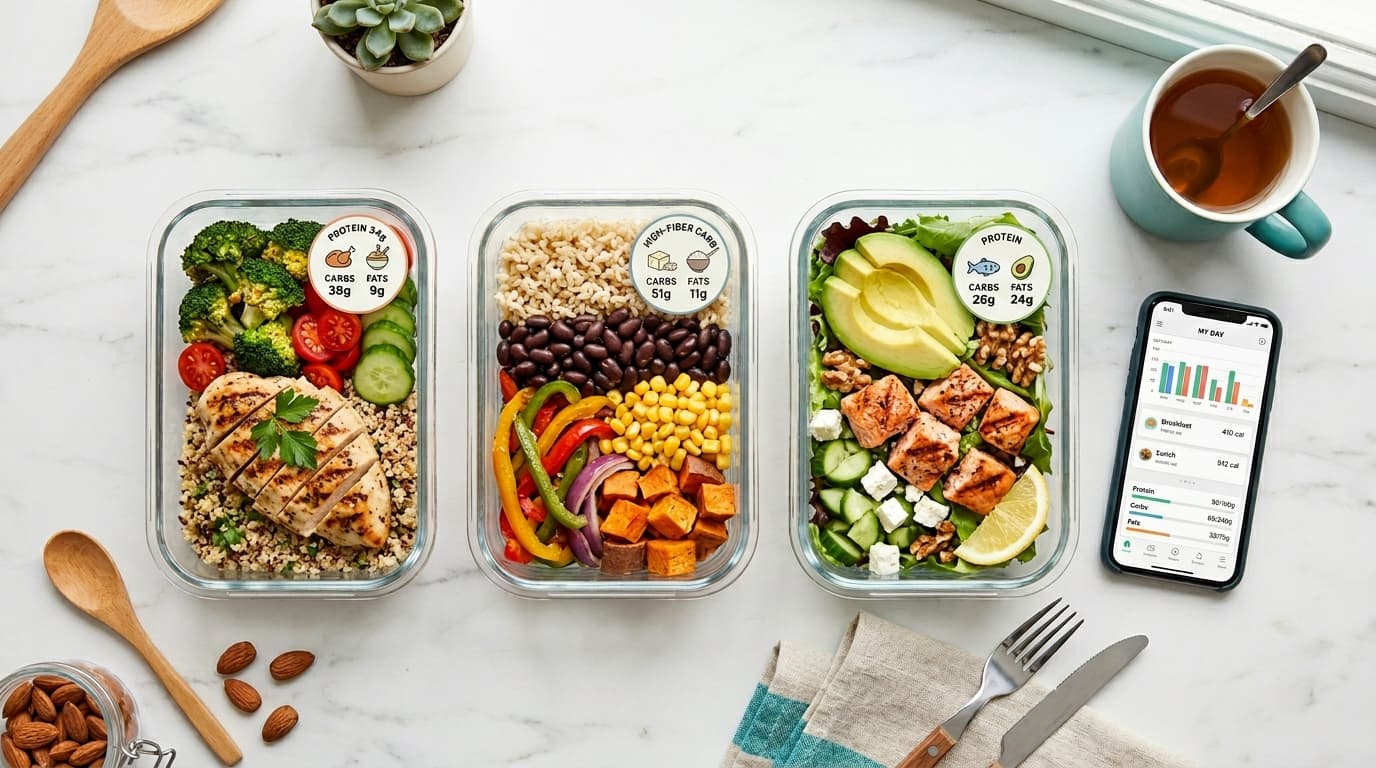
How to Hit Your Macros in Dubai: A Beginner's Guide to Balanced Eating
What Are Macros and Why Should You Care?
Macronutrients are the three categories of nutrients that make up the calories in everything you eat: protein, carbohydrates, and fats. Each serves a distinct function in your body, and the ratio in which you consume them determines whether your nutrition supports your goals or undermines them.
Most people eat without any awareness of their macros. They might track calories loosely, or avoid "bad" foods based on vague rules, but they have no precise picture of what they are actually consuming. The result is inconsistent energy, slow or stalled body composition changes, and a frustrating disconnect between effort and outcome.
Understanding and tracking your macros changes this. It turns nutrition from guesswork into a system — one that responds predictably to adjustments and produces visible results.
Protein: The Foundation
Protein is the building block. It repairs muscle tissue, supports immune function, produces enzymes and hormones, and keeps you feeling full between meals. Without adequate protein, your body breaks down its own muscle tissue for amino acids, regardless of how many calories you consume.
For most active adults, the target is 1.6 to 2.2 grams of protein per kilogram of bodyweight per day. A 75kg person should aim for 120 to 165 grams of protein daily. This is the single most important macro to get right, and it is the one most people consistently fall short of.
High-protein foods include chicken, turkey, beef, fish, eggs, Greek yoghurt, cottage cheese, and legumes. A quality meal plan handles the protein calculation for you, ensuring every meal contributes meaningfully to your daily target without requiring you to weigh and log every ingredient.
Carbohydrates: Your Energy Currency
Carbohydrates are your primary energy source. They fuel your brain, power your workouts, and regulate blood sugar. The type and timing of carbs matter more than the total amount: complex carbohydrates from whole grains and vegetables provide sustained energy, while simple sugars spike and crash.
The low-carb movement has generated enormous confusion about carbohydrates. The reality is that carbs are not inherently fattening — excess calories are. Carbohydrates become problematic when they are consumed in amounts that push you above your calorie target, or when they come primarily from refined sugars that offer little nutritional value.
For most people, carbohydrates should make up 40 to 50 percent of total daily calories. Athletes and highly active individuals may need more. The key is sourcing carbs from nutrient-dense whole foods — rice, oats, sweet potato, legumes, and vegetables — rather than processed alternatives.
Fats: Essential, Not the Enemy
Fats are essential for hormone production, brain function, nutrient absorption, and cellular health. Despite decades of being demonised, dietary fat is not the enemy. Inadequate fat intake disrupts hormonal balance, impairs cognitive function, and reduces the absorption of fat-soluble vitamins A, D, E, and K.
The distinction that matters is fat quality. Unsaturated fats from olive oil, avocado, nuts, and fatty fish are actively beneficial. Saturated fats in moderate amounts from quality animal sources are acceptable. Trans fats from processed and fried foods are genuinely harmful and should be minimised.
Fat is calorie-dense at 9 calories per gram compared to 4 calories per gram for protein and carbohydrates. This means fat portions require more attention when managing a calorie target, but it should never be eliminated from your diet.
The Common Macro Mistakes
Treating macros as a permission structure for junk food is the "if it fits your macros" trap. Technically, you can fill your protein target with processed protein bars and your carb target with sweets. Technically, your macros are hit. But the micronutrient deficit, blood sugar instability, and appetite disruption will undermine your results and wellbeing.
Macros work best when they are filled with whole, minimally processed foods. The macro framework is a tool for precision, not a loophole for poor food quality.
Another common mistake is obsessing over daily targets to the exclusion of weekly averages. Life in Dubai is not perfectly consistent. Some days you eat more, some days less. What matters is the weekly average — if you are within 5 to 10 percent of your targets across the week, you are on track.
Getting Started With Macro-Based Eating in Dubai
Here is the no-nonsense starting point.
Calculate your macros using a reputable online calculator or the built-in tool on a meal plan provider's website. Write down your daily targets for calories, protein, carbohydrates, and fat.
Subscribe to a meal plan that provides full macro breakdowns on every meal and lets you customise portions to your targets. Cover breakfast and lunch through the plan, and manage dinner independently using the principles above.
Track everything for two weeks using an app. This is the calibration period where you learn portion sizes and identify where your current eating patterns diverge from your targets.
After two weeks, shift to intuitive tracking for self-managed meals and let the meal plan handle the precision for your structured meals. Check in with full tracking for one week each month to prevent gradual drift.
The beauty of this approach is that it scales. As your understanding of macros deepens, the meal plan provides consistency while your own food choices improve. The combination of structure and flexibility is what makes macro-based eating sustainable in a city as dynamic as Dubai.